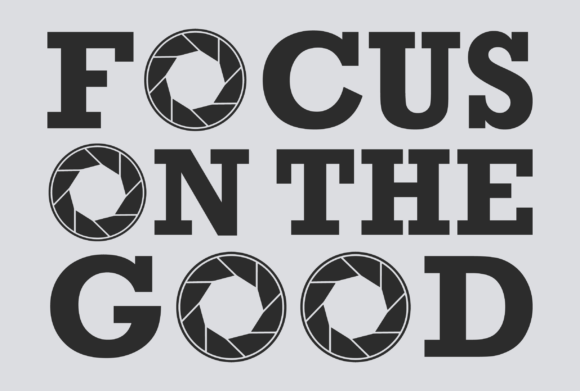
Focus on the Good Aperture Design: Where Typography Meets Vision
There is a specific kind of magic that happens when visual communication transcends mere text and becomes a piece of art. We see it rarely in typography, but when we do, it stops the scroll. Imagine a bold, monochromatic statement that commands attention, not just because of the words, but because of the way the letters are constructed. This is the essence of the "Focus on the Good Aperture Design." It is not just a font; it is a visual statement that cleverly replaces the letter "O" in each word with the graphic representation of a camera aperture. For designers, photographers, and brand strategists, this offers a unique intersection of motivation and industry-specific iconography. It speaks directly to the idea that where we place our focus defines our reality, using the very tool of the photographer’s trade to illustrate the point.
The Anatomy of a Clever Concept
At first glance, the design reads as a standard, bold display typeface. It is monochromatic, sharp, and impactful. However, the genius lies in the substitution. The "O" is the most circular letter in the alphabet, making it the perfect candidate for the aperture blade motif. By replacing the vowel with this graphic element, the designer creates an immediate thematic link. The typography tells a story before the reader even processes the meaning of the words. This is the kind of creative problem-solving that elevates a simple layout into a memorable brand asset. It demonstrates that typography does not have to be static; it can be illustrative and thematic without sacrificing legibility.
For the modern creative, this design style addresses a common challenge: how to be specific without being exclusionary. While the aperture icon is distinctly photographic, the message—"Focus on the Good"—is universally appealing. This duality makes the design incredibly versatile. It can serve a photography studio just as well as it can serve a mindfulness blog or a motivational speaker. The visual weight of the bold lettering ensures that even from a distance, the message is clear, while the closer inspection rewards the viewer with the clever detail of the lens elements.
Practical Applications for Branding and Marketing
When you are building a visual identity, you are constantly looking for assets that bridge the gap between your service and your philosophy. The Focus on the Good Aperture Design excels in this environment. Consider the immediate applications for a small business owner or a creative entrepreneur. It is an instant conversation starter for social media graphics. In a feed saturated with generic stock photos and standard sans-serif overlays, a typographic element that physically embodies the craft of photography creates a thumb-stopping moment. It signals to the audience that this brand pays attention to detail and values creative presentation.
Beyond the digital realm, the utility of this design extends into tangible products. For those in the e-commerce space, particularly those selling to the creator economy, this design is a goldmine for merchandise. Think about the psychology of the customer buying a tote bag, a t-shirt, or a mug. They want items that reflect their identity. A photographer buying a notebook with this cover is not just buying stationery; they are buying a piece of their professional ethos. The monochromatic palette ensures that the design translates perfectly to screen printing, embroidery, or laser etching, maintaining its sharpness regardless of the medium.
Furthermore, in the realm of editorial design and packaging, this typeface serves as a powerful header. If you are designing a magazine cover for a photography issue or packaging for a new camera strap, using this typography as the masthead or primary callout instantly anchors the product in the world of visual arts. It avoids the cliché of using a camera icon next to a standard font. Instead, the iconography is integrated into the text itself, creating a cleaner, more sophisticated layout. This integration is what separates amateur design from professional branding.
Elevating Visual Consistency and Professionalism
One of the biggest hurdles in maintaining a brand identity is visual consistency. We often see brands struggle to find a "voice" that works across all platforms. A premium font with a strong personality, like this aperture design, can act as a visual anchor. By incorporating this specific style into your headers, you create a recognizable signature. When a follower sees that specific "O" shape on Instagram, they immediately know it is your content before they even read the caption. This is the power of distinct typography in building brand recognition.
It is important to view this design not just as a standalone graphic, but as a component of a larger design system. Because the "Focus on the Good" design is so bold and distinctive, it pairs exceptionally well with cleaner, more neutral typefaces. Imagine using this bold, illustrative display font for your main headlines, and pairing it with a clean sans-serif for your body copy. This contrast creates a hierarchy that guides the reader's eye naturally. The display font grabs attention and sets the emotional tone, while the body font delivers the information clearly. This balance is crucial for web design and blog layouts, where readability is king.
Navigating Font Pairings and Usability
When working with a font that has such a strong thematic element, you must be mindful of the context. This is not a typeface you would use for the body text of a legal contract or a dense academic paper. Its strength lies in display usage—headers, logos, and large-scale prints. When you pair it with other fonts, look for typefaces that share a similar weight or x-height but lack the illustrative flair. A geometric sans-serif often works best here, as it complements the mechanical, precise nature of the aperture blades without competing for attention.
Readability is another key consideration. Because the "O" is replaced with a graphic, you need to ensure the surrounding letters are clear enough to bridge the gap in recognition. The design succeeds here because the aperture shape is universally round, maintaining the spatial integrity of the word. However, always test your layouts at the size they will be viewed. A design that looks stunning as a large poster hero image might lose its impact if scaled down too small for a mobile screen favicon. The beauty of this specific design is that its monochromatic nature makes it scalable, but the internal details of the aperture blades require sufficient size to be appreciated.
Real-World Value for the Modern Creator
Ultimately, the tools we choose for our projects say something about how we approach our work. Choosing a creative font like the Focus on the Good Aperture Design is a deliberate choice to inject positivity and thematic relevance into your visuals. It is a tool that serves a dual purpose: it communicates a message of optimism while simultaneously signaling expertise in the field of photography or visual content creation.
For the entrepreneur launching a new course on photography, this typography can be the cornerstone of the sales page. For the blogger wanting to add a professional touch to their Instagram stories, it provides an instant upgrade. It is a reminder that good design is not just about aesthetics; it is about communication. By selecting typography that embodies your subject matter, you reduce the cognitive load on your audience. They don't just read your message; they feel it instantly.
As you refine your brand assets or look for the perfect header for your next marketing campaign, consider the impact of integrated design. Moving beyond generic text allows you to tell a richer story. Whether you are designing a logo, packaging a product, or creating a digital download, the right typographic choice acts as a silent ambassador for your brand's quality and attention to detail. This specific design offers a sophisticated, modern solution for anyone looking to focus their visual narrative on the bright side.