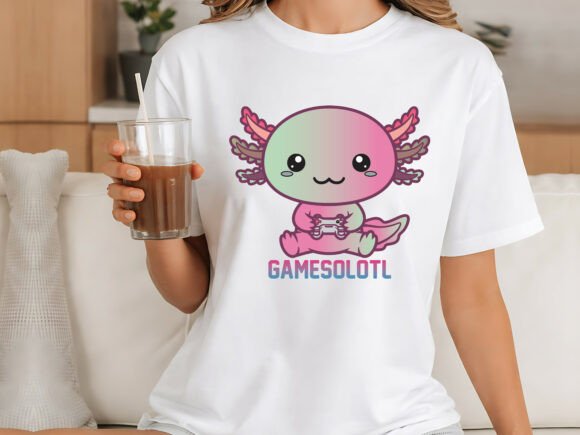
Gamesolotl Gamer Axolotl: A Playful Font for Bold Brands
Finding a typeface that captures both whimsy and modern edge can feel like searching for a mythical creature. You need something that stands out in a logo, remains legible on a poster, and carries a distinct personality across social media graphics. Enter a design that merges the charm of a beloved amphibian with the energy of digital culture. This particular display font offers a unique solution for creators who want their projects to feel fresh, approachable, and unmistakably memorable. It’s not just another set of letters; it’s a visual story waiting to be told.
A Unique Visual Identity Rooted in Playfulness
What immediately draws the eye to this typeface is its character construction. The letterforms often incorporate subtle, rounded details reminiscent of axolotl features—perhaps a slightly wider stance, a playful curve here, or a friendly terminal there. This isn't a rigid, corporate sans serif. Instead, it embodies a modern, slightly quirky aesthetic that feels both youthful and sophisticated. The design strikes a careful balance: it’s expressive enough to inject personality into a brand, yet crafted with enough clarity to avoid sacrificing readability at reasonable sizes. This makes it a powerful tool for projects targeting audiences who appreciate creativity and a touch of fun, from indie game developers to boutique children's brands or innovative tech startups wanting a softer edge.
Practical Applications Across Creative Projects
The versatility of a well-designed display font like this extends far beyond a single use case. Its inherent character makes it a strong candidate for a variety of applications where impact and personality are key. Consider how it could transform everyday materials:
- Logo Design & Brand Identity: A logo sets the first impression. Using this font for a wordmark or in combination with a simpler sans serif can instantly communicate a brand’s playful, innovative, or approachable nature. It’s particularly effective for businesses in the gaming, pet care, education, or creative arts sectors.
- Packaging & Merchandise: Stand out on the shelf or in an online store. The font’s distinctive look can make product packaging for snacks, cosmetics, or tech accessories more eye-catching. It translates well to merchandise like t-shirts, stickers, and posters, creating items people want to own and share.
- Digital Presence & Marketing: From website headers to social media stories, consistent use of a signature font builds recognition. This typeface can make Instagram graphics, YouTube thumbnails, and email newsletter banners more engaging, helping content cut through the noise. For bloggers and content creators, it adds a layer of professional polish to featured images and quote graphics.
- Print & Editorial Design: Think beyond digital. It can add flair to event invitations, concert posters, book covers (especially in young adult or graphic novel genres), and magazine layouts. Used sparingly for headlines or pull quotes, it injects energy into editorial designs without overwhelming the body text.
Enhancing Your Design Strategy with Thoughtful Typography
Choosing a font is a strategic decision that influences how your audience perceives your message. A typeface with this level of personality can significantly boost brand recognition—when people see those distinctive letters, they’ll associate them with your unique voice. Its clear forms also support readability when applied correctly, ensuring your core message isn’t lost in the style. For professional presentation, it demonstrates an attention to detail and a commitment to a cohesive visual identity, which builds trust. Ultimately, it drives audience engagement by making your materials more visually interesting and relatable.
However, its strength is also a consideration. As a display font or creative font, it’s engineered for headlines and short bursts of text, not for setting long paragraphs. Pairing is crucial. A classic strategy is to combine it with a neutral, highly legible sans serif font or a clean serif font for body copy. This creates a visual hierarchy that guides the reader’s eye and maintains clarity. Always test your pairings at the sizes you plan to use—what looks great in a design file might need adjustment when printed or viewed on a mobile screen.
Key Considerations Before You Commit
Before integrating any new design asset into your workflow, a few practical checks ensure a smooth process. First, review the full character set. Does it include all the punctuation, numbers, and symbols your project requires? Check for stylistic alternates or ligatures that might offer additional creative flexibility. Second, understand the licensing. A commercial font license is essential if you plan to use the designs for client work, sell products featuring the font, or use it in marketing materials for a business. Always verify the license terms to avoid legal issues down the line.
Finally, think about your project’s core goal. If you’re aiming for timeless elegance, a highly stylized font might not be the right fit. But if your goal is to convey innovation, friendliness, or a tech-savvy vibe, a typeface with this distinct, modern personality could be the perfect match. It’s about finding the right tool for the specific communication challenge at hand. By viewing typography as an integral part of your brand identity and visual communication strategy, you move beyond mere decoration and start making deliberate choices that resonate with your audience and strengthen your overall design narrative.