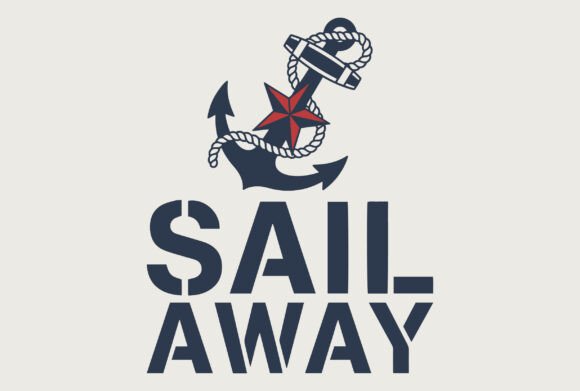
Sail Away: A Nautical Design for Anchoring Your Brand
There’s a particular feeling that comes with standing at the edge of a dock, watching the horizon where the sky meets the sea. It’s a mix of anticipation, freedom, and a deep-seated connection to something timeless. Translating that powerful, evocative emotion into a visual identity is no small feat, yet some design elements manage to capture it perfectly. The Sail Away Anchor Star Design is one such element. It’s not just a collection of shapes; it’s a visual narrative. The anchor provides a foundation of stability and hope, the rope adds a tactile, authentic texture of the maritime world, and the guiding star introduces a dynamic sense of direction and destiny. Together, they create a cohesive symbol that speaks directly to anyone who hears the call of wanderlust and dreams of ocean horizons.
A Symbol That Tells a Story
What makes this particular design so compelling for creators and entrepreneurs is its inherent storytelling quality. An anchor alone might suggest stability, but when intertwined with rope and crowned by a star, it becomes a richer metaphor. It suggests a journey that is both grounded and aspirational—a brand or project that is reliable yet always striving toward new horizons. This makes it an exceptionally versatile asset. For a small business owner launching a coastal café, it immediately communicates a theme of maritime charm and welcoming respite. For a travel blogger, it becomes a recognizable emblem of adventure and discovery. The design’s strength lies in its ability to be interpreted in multiple contexts while maintaining its core, emotionally resonant message. It’s a premium font and graphic concept that works on both literal and figurative levels.
Practical Applications Across the Creative Spectrum
Thinking about how to integrate such a distinctive design into your work? Its applications are surprisingly broad, moving seamlessly from digital to physical spaces. In branding and logo design, the anchor-star motif can serve as a standalone mark or be cleverly incorporated into typography. Imagine a serif font for a luxury yacht charter company where the crossbar of the 'A' is subtly replaced by the anchor, or a script font for a wedding invitation suite where the star dots an 'i'. This kind of thoughtful integration elevates a design from generic to memorable.
For packaging design, this theme is a natural fit. Picture it on artisanal sea salt, craft beer bottles, or organic skincare products. It instantly conveys a story of origin, quality, and a connection to nature. On social media graphics, a consistent use of the design elements—perhaps as a watermark, a post template border, or an icon set—builds a strong, recognizable visual thread across your feed. It’s a fantastic way to improve brand recognition and create a cohesive aesthetic that followers can instantly identify.
Beyond digital, the Sail Away Anchor Star Design shines in print. It adds a touch of adventure to posters for local sailing regattas, invitations for seaside events, or editorial layouts in travel magazines. For merchandise, it’s a winner. Think beyond the obvious t-shirts and consider tote bags, enamel pins, or even embossed leather journals. Each application reinforces the brand’s identity and offers a tangible piece of the story to the audience.
Integrating the Design for Maximum Impact
Successfully using a strong thematic design like this requires a bit of strategy to ensure it enhances, rather than overwhelms, your project. The key is to treat it as a central character in your visual story, not just a decorative afterthought. Start by considering your primary goal. Is it to establish a rugged, adventurous tone? Or a more refined, hopeful one? The Sail Away Anchor Star Design can be styled to lean either way through color, scale, and context.
A critical step in any design process is font pairing. If the anchor-star graphic is your main hero element, your typography needs to support it. A clean, sturdy sans serif font can provide excellent contrast and readability, allowing the detailed illustration to stand out. For a more harmonious, thematic approach, pairing it with a handwritten font or a script font can amplify the personal, exploratory feel. Always test your pairings in context—see how they look on a mock-up of your website header, a business card, or a social media post. This practical testing is where good ideas become great design assets.
Readability is paramount, especially in web design and editorial design. While the decorative aspects are captivating, ensure that any text integrated with or placed near the design remains clear and easy to read. This often means using the graphic as a prominent accent rather than a background texture behind body copy. For marketing assets like email headers or digital ads, the design can create a powerful focal point that draws the eye and reinforces the campaign’s message of adventure and reliability.
From Concept to Commercial Reality
For the entrepreneur or creative entrepreneur ready to bring this vision to life, the final considerations are both practical and legal. First, explore the full range of the typeface or design kit you’re considering. Does it include multiple weights or styles? Are there alternate characters or ligatures that allow for customization? A well-developed creative font family or design system gives you the flexibility to adapt the core concept across various touchpoints while maintaining perfect visual consistency.
Second, and most importantly, understand the licensing. For any project that will be used commercially—whether it’s your own brand, a client’s work, or merchandise for sale—you need a commercial font or design license. This isn’t just a legal formality; it’s a mark of professionalism and respect for the creator’s work. Ensure the license covers all your intended uses, from logo design to packaging to digital products. A clear license provides peace of mind and protects your investment.
Ultimately, the goal of any strong design element is to communicate. The Sail Away Anchor Star Design offers a rich vocabulary of meaning—stability, journey, guidance, and hope. By thoughtfully integrating it into your projects, you’re not just decorating a surface; you’re inviting your audience into a story. You’re giving them a visual anchor for their own aspirations and a star to navigate by. It’s a powerful way to build a brand identity